An article by Alba Guzman, CVO and co-founder of ROSAPARKS, and Claudina Caramuti, co-founder and development director of CANVAS

For years, brands communicated sustainability as if they were taking a moral exam: more commitments, more promises, more impact, more epic narratives. The market was flooded with green leaves, grandiloquent manifestos, claims featuring the word ‘planet,’ and seals impossible to verify.
Then came greenwashing. And with it, something necessary: regulation, scrutiny, and much more critical consumers. This brought us a new phenomenon: greenhushing: silence. Brands that are indeed making real efforts in sustainability, but prefer not to communicate them for fear of making mistakes, oversimplifying, or exposing themselves publicly.
And that is also a problem. Because if companies that are making efforts in their social or environmental commitments stop talking about sustainability, role models, education, and the capacity for cultural influence disappear. The public conversation then falls into the hands of opportunistic actors or, directly, discourses that question any progress.
However, regulation and the desire to be more precise and rigorous have brought us another problem: technification. Cold data and unknown nomenclature for citizens… which cause indifference, are not understood, and fail to connect.
Sustainability needs less exaggeration, yes, but not less communication. Sustainability needs a new and better way to communicate.
Consumers want more human communication
The great transformation of recent years is not regulatory. It is cultural. Society does not believe in perfect brands. It never needed them. What it does expect is honesty, coherence, consistency, and a certain capacity to acknowledge contradictions. Error makes brands more human.
The most credible brands today are not those that project perfection, but those that reduce the distance between what they do, what they say, and what they acknowledge they have not yet managed to resolve. GANNI, the Danish fashion brand, for example, has built much of its credibility precisely by avoiding defining itself as a “sustainable brand.” Instead of claiming a moral status, it communicates transition, limits, and an unequivocal willingness to learn. Patagonia has been integrating sustainability for years, not as a campaign, but as a brand operating system: product, retail, customer service, activism, and communication all speak the same language. Tony’s Chocolonely turns its impact reports into public accountability exercises, explaining not only progress but also failures and pending gaps.

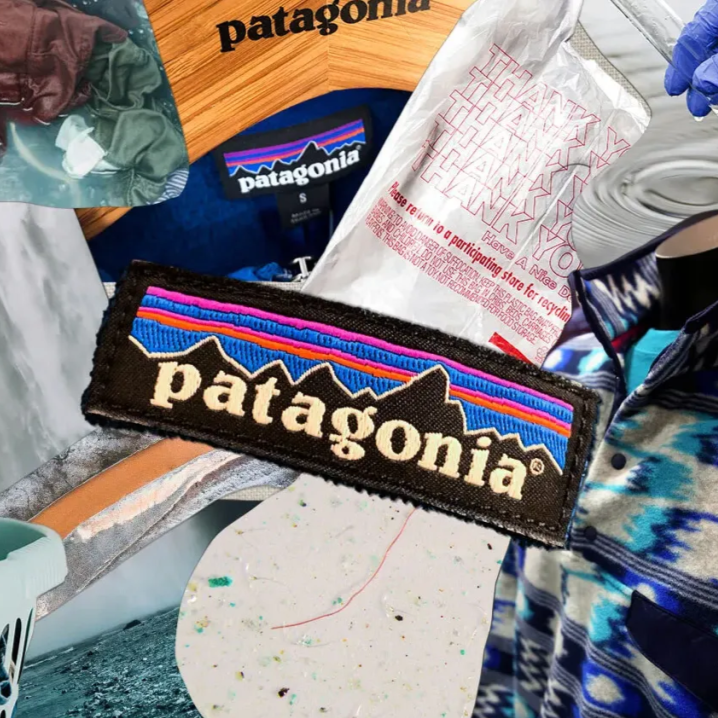
Society does not expect us to be perfect, but it does expect us to be honest. Radical honesty in sustainability is more powerful than imposed perfection. Acknowledging mistakes, explaining limitations, and publicly correcting them does not weaken reputation: it strengthens it.
The problem is not regulation. It is the lack of clarity and emotion
Regulation on green claims is very necessary. The market needed traceability, standards, and mechanisms to avoid misleading messages. The problem is that, in some cases, we have begun to confuse rigor with incomprehensibility. And there appears another risk: turning sustainability into an exclusively technical, legal, and corporate language, far from people’s understanding.
For years, sustainability managed to enter product communication, campaigns, packaging, customer experience, and innovation. Today, however, many brands have shifted it to the corporate realm: reporting, ESG reports, or website sections designed more for compliance or stakeholders far removed from consumers than for conversation.
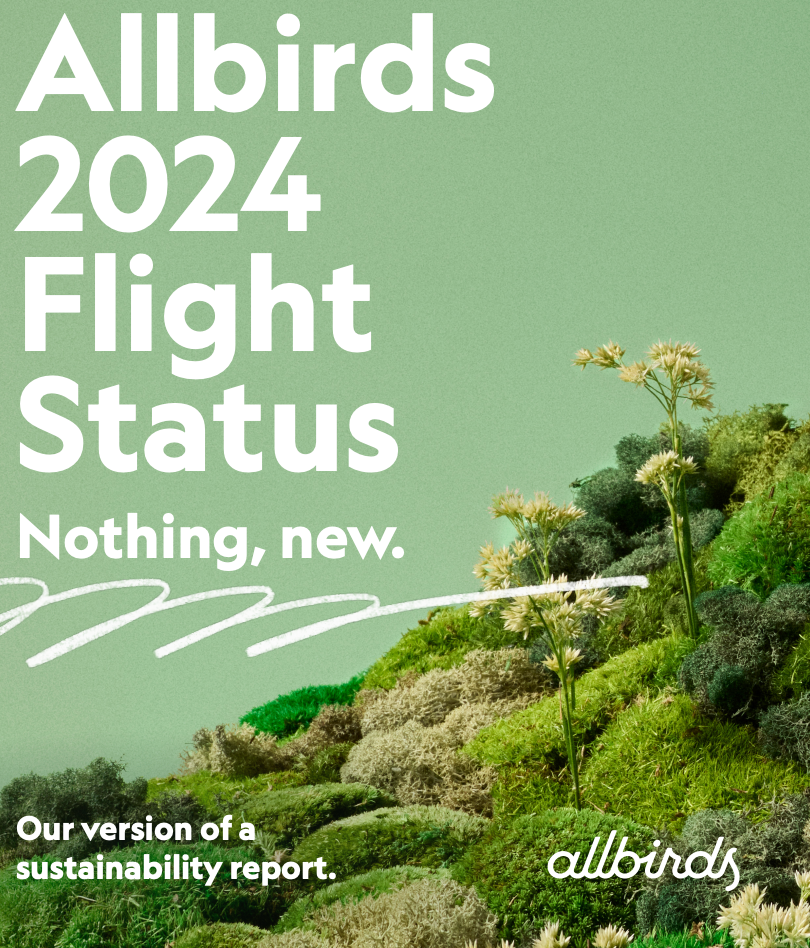
Technical data is necessary and protective. But if it is not understood, it creates distance. Society does not change only with technical precision; it changes when it understands, feels, and remembers. That is why the current challenge is not only to measure impact but to translate it culturally.
Allbirds, an American BCorp sneaker brand, understood something important when it incorporated the carbon footprint on the label of each of its shoes: the value was not just in having the data, but in making it visible, legible, and understandable to the consumer.
It didn’t simplify the information. It explained it and made it useful. If sustainability can only be communicated in technical language, it risks disappearing from public conversation or becoming an incomprehensible language.
What comes next is a new generation of sustainability communication
We don’t need to return to green grandiloquence. Nor do we need to resign ourselves to corporate silence. But bare data or excessive technicality is not the solution. The opportunity lies in building more honest, more precise, more humble, but also more creative, understandable, and culturally relevant communication.
Some keys to a new, more human sustainability communication:

1. Communicate process, not perfection
The most credible brands no longer speak from moral superiority, but from transition. Sustainability is a journey, and all brands are at some point on that journey. No one has reached the end. So, explaining limits, tensions, and learnings generates more trust than trying to appear impeccable.
2. Replace claims with didactic evidence
Fewer adjectives and more traceability. Credibility is built with verifiable data, context, and sustained coherence over time, but it must be understandable.
3. Translate rigor without losing creativity
Technical data is important. But if it fails to connect culturally, it loses its transformative capacity. Creativity can no longer exaggerate; it must make complexity understandable and evoke emotion.
4. Take sustainability out of the corporate report
Sustainability cannot remain confined to the ESG report. It must return to the product, customer experience, retail, packaging, and everyday brand communication.
5. Understand that silence also communicates
Not talking about sustainability does not eliminate scrutiny. It only eliminates the possibility of building conversation, learning, and trust.
In a context as complex as ever and saturated with messages, honesty is the new territory for the most relevant brands: not promising more than anyone else, but being able to communicate with clarity, humility, and coherence what they are truly trying to change.
ABOUT CANVAS Estrategias Sostenibles
CANVAS Estrategias Sostenibles is a consulting firm and strategic knowledge provider in sustainability. With the purpose of promoting social leadership for a sustainable future, it supports organizations in integrating sustainability into their activities to lead their commitment to caring for people and the planet. RADAR CANVAS is its research and trend analysis platform, through which the firm develops knowledge on the latest developments in sustainable development.
More information: https://www.canvasconsultores.com/
ABOUT ROSAPARKS
ROSAPARKS is a B Corp certified advertising agency and creative consultancy, specializing in brand purpose, impact marketing, and creative sustainability communication. At ROSAPARKS, they help brands define their purpose and activate it through creative projects with positive impact. They develop strategic communication plans and advertising campaigns to convey brands’ commitment to social and environmental sustainability, and they do so in a memorable way. All with a dual objective: to do good and to help brands be profitable and transcendent for society.
Article published in B Corp Spain